Garage Door Accessories That Boost Curb Appeal
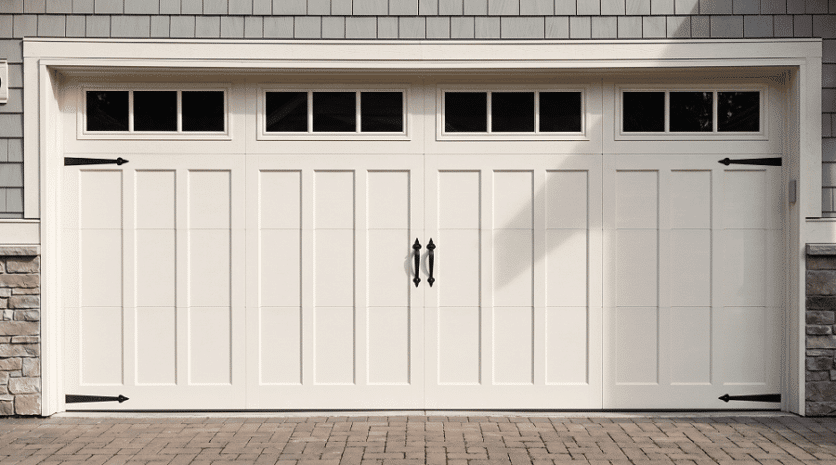


A garage door can take up a third, sometimes nearly half, of the front elevation of a house. That makes it one of the biggest visual surfaces on the property, yet it is often treated like an afterthought. Homeowners will repaint shutters, replace porch lights, even redo landscaping, while the garage door stays plain and unfinished. In practice, a few well-chosen garage door accessories can do more for the look of the facade than a long list of smaller upgrades.
The key is restraint. Good curb appeal rarely comes from piling on decorative pieces. It comes from choosing accessories that fit the architecture, match the scale of the home, and hold up in daylight from the street. I have seen modest tract homes look more expensive with nothing more than smarter hardware, better lighting, and cleaner trim details. I have also seen beautiful custom homes lose their balance because someone added faux hinges that were too small, too shiny, or styled for a completely different type of house.
The best results come when you treat the garage door as part of the overall exterior composition, not as a separate project. Color, proportion, material finish, and even shadows matter. Accessories should support those elements, not fight them.
Why accessories make such a noticeable difference
Garage doors are visually flat by nature. Garage Door Accessories Even paneled steel doors can read as one large blank plane from the curb. Accessories break that up. They introduce depth, contrast, and a little punctuation. A row of convincing decorative handles can make a carriage-style door feel intentional. Top windows can soften a heavy facade and echo the lines of the front entry. Better light fixtures nearby can shift attention from the size of the garage to the Garage Door Accessories composition around it.
This is especially important on front-facing garages. On side-entry garages, you have a little more freedom because the doors do not dominate the main view. On front-facing garages, every detail is amplified. The accessories you choose need to be scaled correctly and coordinated with the front door hardware, house numbers, mailbox, and exterior lighting.
There is also a practical side. Some accessories are not purely decorative. Window inserts bring daylight into the garage. Weather seals improve the finished look while cutting down on dust and drafts. Smart openers and keypad systems clean up daily use and can eliminate the clutter of add-on fixes later. Curb appeal and function do not have to compete.
Decorative hardware, the fastest visual upgrade
If there is one accessory category that consistently delivers, it is decorative hardware. Handles and hinge straps can change the personality of a garage door in an afternoon. They work best on carriage-house styles, recessed panel doors, and many wood-look doors. On very sleek contemporary doors, they usually feel out of place.
The biggest mistake with decorative hardware is scale. Small, thin pieces disappear from the street and look like afterthoughts. Oversized pieces can look theatrical. On most standard two-car doors, medium to large hardware with some visual weight looks more convincing than the bargain sets sold in lightweight stamped metal. Matte black tends to be the safest finish because it reads clearly at a distance and coordinates well with most exterior palettes. Oil-rubbed bronze can work on warmer facades, though it can get visually muddy against dark paint.
Placement matters too. Faux hinge straps should align with panel lines and look structurally believable. Handles belong where a pair of swing-out carriage doors would logically be gripped, usually centered on the lower third of each half of the door. When hardware is stuck on randomly, even high-quality pieces look fake.
I often advise homeowners to step back to the curb before final installation. Tape the pieces in place first. What looks balanced from the driveway can look oddly low, too close together, or too delicate once you move thirty or forty feet away.
Windows that add character without sacrificing privacy
Garage door windows are one of the most effective ways to improve curb appeal because they alter both the door and the whole front elevation. A row of upper windows can lighten a broad facade, create rhythm, and connect the garage to other windows on the house. If the home feels squat or heavy, this change alone can help.
The right style depends on the architecture. Colonial and traditional homes often suit simple rectangular lites or divided-light patterns. Farmhouse exteriors usually look best with clean, understated grids rather than ornate arches. Contemporary homes tend to benefit from full-view glass sections or minimalist horizontal glazing. Craftsman homes can support a more detailed top row, but even then, less is usually better.
Privacy and heat gain are common concerns. Frosted, seeded, or tinted glass can solve both. In many garages, especially detached ones or those used mainly for storage, clear glass is not ideal. You do not want every shelf, bicycle, and lawn tool visible from the street. Obscured glass gives the light without the display case effect.
One caution from experience: if you add windows to one garage door in a pair, add them to both. Mismatched doors can make the front of a house feel unfinished, even when each door looks fine on its own.
The trim around the door matters more than most people think
Homeowners tend to focus on the door face, but the surrounding trim can make or break the finished look. Crisp casing gives the opening definition. It frames the garage in the same way quality trim frames windows and entry doors. If the current trim is too narrow, warped, or inconsistent with the rest of the house, new accessories on the door itself may not have much impact.
On many builder-grade homes, the garage trim is underscaled. The opening is huge, yet the casing is thin and visually weak. Upgrading to a wider profile can make the entire facade look more substantial. The effect is subtle when you are standing nearby, but from the street it brings structure to the elevation.
This is also where color choices matter. White trim around a dark door creates contrast and crispness. Monochromatic trim can make the garage recede, which is often desirable when the garage dominates the front. There is no universal rule. A traditional home may benefit from contrast. A modern home often looks better with integrated, low-contrast detailing.
Trim has to perform, not just look good. In wet climates, rot-resistant materials and proper flashing are worth the extra cost. Nothing kills curb appeal faster than swollen boards, peeling paint, or black mildew lines creeping down from a neglected header.
Lighting that flatters the garage instead of exposing it
Lighting is often treated as a security purchase first and a design choice second. That is backwards if curb appeal is part of the goal. The right fixtures make the garage area feel deliberate and welcoming. The wrong ones throw harsh glare, expose every flaw in the door surface, and make the front of the house feel commercial.
Wall-mounted sconces placed on either side of a single door, or at balanced intervals around a double door arrangement, create the best visual framing. The fixture should be proportional to the door and visible from the street. Small lanterns disappear. Oversized coach lights can overpower a modest facade. In practical terms, fixtures around one quarter to one third of the height of the adjacent pedestrian door often look right, though architecture can shift that range.
Light quality matters as much as fixture shape. Warm white, usually around 2700K to 3000K, is more flattering for residential exteriors than cool white. It softens materials, complements landscaping, and gives garage door accessories better contrast. Cool light can make black hardware look flat and turn warm paint colors gray.
Motion sensors are useful, but the fixture should still look good when off. I prefer integrated designs that hide the sensor rather than the bulky add-on style that sticks out underneath like an afterthought. If the garage is the first thing people see from the street, every visible component deserves some design scrutiny.
House numbers, plaques, and adjacent details
Garage-adjacent details are not always sold as garage door accessories, but they affect the same visual field. House numbers placed near the garage, an address plaque above the header, or a well-proportioned wall sign can help organize a blank facade. On wide suburban homes where the garage dominates the front, this can be surprisingly effective. The eye needs a focal point besides the door slab.
The trick is to keep these details secondary. Oversized metal numbers can look sharp on a modern elevation, especially against smooth dark cladding or brick. Traditional homes usually want more modest numbers with classic proportions. Finishes should relate to nearby hardware. If the garage handles are matte black and the front lanterns are matte black, polished chrome address numbers will feel disconnected.
I have seen one small move work well again and again: relocating poorly placed house numbers from a cramped porch column to a larger, cleaner field near the garage, where they are readable from the street. That is not just a style decision. Delivery drivers, guests, and emergency services all benefit.
Surface accessories that imitate wood, and when they work
Magnetic overlays, faux clavos, decorative panels, and vinyl appliques promise a quick transformation. Some are better than others. Wood-look overlays can be convincing from a distance if the base door profile suits them and the product has real depth. Thin printed surfaces rarely fool anyone past the first week. Sun exposure also exposes cheap products quickly. Edges curl, colors fade, and the garage ends up looking worse than it did before.
If a homeowner wants the warmth of wood without the maintenance, higher-quality steel doors with factory wood-grain finishes are generally a better investment than stick-on solutions. That said, for a short-term improvement before listing a home, a tasteful magnetic hardware set and careful paint work can absolutely help. The standard for success is simple: does it still look believable from the curb in broad daylight?
That is the test too many products fail.
Smart accessories can help curb appeal indirectly
Not every upgrade is visible from the street, but some have a real indirect effect on appearance. A modern wall-mounted opener can free ceiling space inside the garage, which matters if windows reveal part of the interior. A cleaner garage interior reads better from outside. A flush keypad, finished in a color that blends with the trim, looks far better than an old yellowed unit mounted at an awkward angle. Even the absence of clutter counts as an accessory decision.
Battery backup systems and quieter openers also improve the feel of the home. That may sound intangible, but homes that operate smoothly feel better maintained. Buyers pick up on that. So do neighbors. Curb appeal is partly visual, partly psychological. A garage door that opens cleanly, closes evenly, and does not shudder or groan contributes to the overall impression of quality.
Choosing accessories by architectural style
The easiest way to waste money is to buy garage door accessories in isolation. Style compatibility is what separates a polished upgrade from a mismatched collection of parts.
Here is a practical way to think about it:
- Traditional homes usually benefit from classic handles, simple strap hinges, divided-light windows, and lantern-style lighting.
- Farmhouse exteriors look best with restrained black hardware, clean grids, simple sconces, and trim that feels sturdy rather than ornate.
- Craftsman homes can support more detail, especially in window patterns and bracketed trim, but the hardware should still feel substantial and honest.
- Contemporary homes usually need fewer accessories, not more. Clean lines, slim fixtures, flush keypads, and minimal glazing tend to work best.
- Rustic or carriage-house designs can carry heavier decorative hardware, warmer finishes, and more texture, provided the materials look authentic.
This is where neighborhood context matters too. If every house on the block is a straightforward colonial, an ultra-modern full-glass garage door with industrial accessories may look less like a bold design move and more like a costly mismatch.
Material quality shows up fast outdoors
Exterior accessories live hard lives. Sun, rain, grit, road salt, and daily handling reveal weak finishes quickly. This is one area where bargain shopping often backfires. Hardware that looks crisp in the package can pit, peel, or chalk within a year or two, especially in coastal regions or places with freeze-thaw cycles.
Powder-coated metal tends to hold up better than thin painted finishes. Composite trim generally outlasts soft wood in wet climates. Stainless components matter near salt air. Adhesives need to be rated for exterior temperature swings if you are using magnetic or stick-on decorative pieces. Even fasteners matter. Rust streaks running from a fixture can stain trim and masonry in a season.
If a homeowner asks where to spend more, I usually point to three categories first: lighting, trim materials, and visible decorative hardware. Those are the pieces most likely to betray poor quality from the street.
Color coordination does more than the accessory itself
An accessory can be perfectly chosen and still fail if it fights the door color. Black hardware on a black door disappears. Bronze against red brick can either enrich the palette or sink into it, depending on sheen and undertone. White window grilles on a dark bronze door can look crisp if they echo the house windows, but random white inserts on an otherwise dark facade can feel disconnected.
Before buying any accessory, look at the front entry. The garage should not outshine it. If the front door hardware is brushed nickel and the porch lights are matte black, decide which direction should lead. Mixed metals can work, but only when they look intentional. Too often, they look like the result of replacements made years apart.
Paint can also transform inexpensive accessories. A decent quality hardware set in the wrong finish may be salvageable with proper prep and an exterior-rated coating. That is often better than buying the cheapest set in the “right” color.
Mistakes that reduce curb appeal instead of boosting it
Most curb appeal mistakes come down to excess, poor proportion, or fake-looking detail. Homeowners see a dramatic before-and-after online, buy similar parts, then discover their own door size, roofline, brick color, or house style changes the equation completely.
A few trouble spots show up repeatedly:
- Hardware that is too small to read from the street.
- Window inserts that clash with the other windows on the house.
- Bright, cool lighting that makes the garage feel like a loading bay.
- Cheap faux finishes that curl, fade, or shine unnaturally.
- Accessories added to an old, dented, or poorly maintained door that really needs replacement.
That last one is important. Accessories can elevate a solid but plain door. They cannot rescue a warped bottom panel, rust bleeding through seams, or tracks that are visibly out of alignment. Sometimes the right answer is a new door with integrated design features rather than another layer of add-ons.
When less really is more
Some of the best-looking garage doors I have seen had almost no visible ornament. A well-proportioned door in the right color, framed with crisp trim and lit properly, can outperform a heavily accessorized one every time. This is especially true on modern and transitional homes, where simplicity reads as confidence.
If you are unsure how far to go, start with the essentials that have the highest visual return: trim condition, lighting, and hardware that suits the style. Live with those changes before adding more. Once a door has windows, decorative hinges, handles, upgraded sconces, a keypad, and a contrasting trim color, it may not need anything else.
Curb appeal improves when the house feels coherent. Garage door accessories are most effective when they support that coherence rather than demand attention for themselves. When chosen well, they do something deceptively simple. They make the garage door look like it belongs to the house, not just attached to it. That is usually the difference between a front elevation that feels ordinary and one that feels finished.
Select Garage Doors
11479 Pine Dr, Parker, CO 80134, United States
+1 303-228-0018
FAQ About Garage Door Accessories
What are garage door parts called?
Common door components include panels, hinges, rollers, tracks, springs, cables, and weather seals. The opener is a separate operating system, with accessories such as remotes, keypads, and compatible smart controls. Identify the door and opener model before choosing a part; springs, cables, and other loaded components should be assessed and serviced by a trained garage door technician.
What garage door supplies do I need?
The right supplies depend on the problem or upgrade you want to address. Common accessories include replacement remotes, wireless keypads, weather seals, decorative handles and hinges, and compatible smart controls. Check model compatibility and the manufacturer's instructions before buying. A technician can inspect the system and recommend suitable accessories without replacing otherwise serviceable equipment.
Where can I find garage door accessories in Parker?
Select Garage Doors supplies and installs garage door accessories for Parker homeowners. Contact the company with your opener brand and model, door details, and the upgrade you want so it can confirm compatibility, availability, pricing, and installation requirements. Confirm collection or appointment arrangements before visiting.